 The Aosta Trip
Map › Themes › Roman Aosta Valley
Roman Aosta Valley

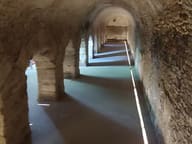 Forum CryptoporticusThe horseshoe-shaped galleries measure 71.80 m along the sides and 87.10 m in the centre
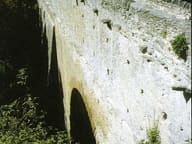 Pont d'Ael Aqueduct BridgeIn 3 BC Caius Avillius Caimus, from Padua, had the inscription carved on the bridge
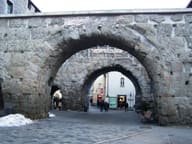 Porta PraetoriaOn the east side the marble facing added in the Claudian period (AD 41–54) survives
 Roman Road to Gaul and Donnas ArchThe stretch cut into the rock is 221 metres long, with walls up to 13 metres high
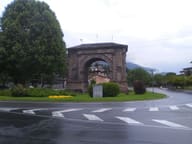 Honorary Arch of AugustusSingle archway 11.40 metres high, now in the middle of a roundabout
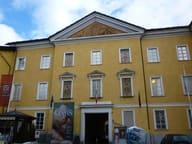 MAR - Regional Archaeological MuseumIn the basement lie the remains of the Roman Principalis Sinistra gate
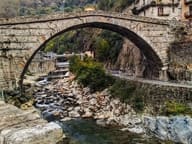 Roman Bridge and Roman Bridge MuseumSingle span of 31.55 metres, the widest among Roman bridges of its time in Europe
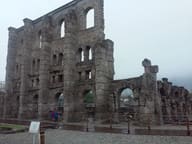 Roman TheatreSouth façade 22 metres high, with three tiers of openings that get smaller towards the top
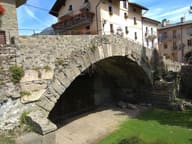 Aosta Roman BridgeIts single arch, 17 metres wide, now spans a dry bed
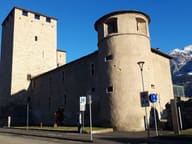 Bailiffs' TowerResidence of the bailiffs, then a prison until 1984, now the Conservatoire
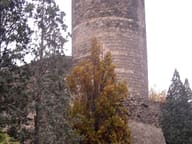 Bramafam TowerTower built in the thirteenth century on the Porta Principalis Dextera, south gate of the Roman walls
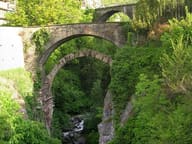 Châtillon Roman BridgeThe Roman abutments, with a 15-metre arch, still carry the bridge over the Marmore
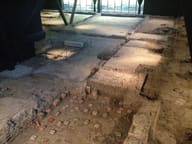 Consolata Roman VillaDiscovered by chance in 1971 during the construction of a building
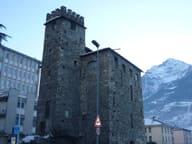 Leper's TowerIn 1773 the Mauritian Order confined a leper who had come from Oneglia here
- Porta DecumanaWest gate demolished in 1812; the remains are in the basement of the Regional Library
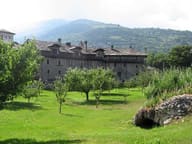 Roman AmphitheatreOf the sixty arches from the first century AD only eight remain, inside a convent
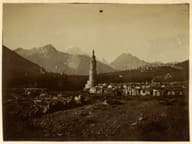 Roman Remains at the Little St Bernard PassThe foundations of the eastern mansio, on the Italian side, measure 25.5 by 67.5 metres
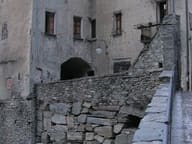 Roman Road to Gaul at BardThe substructures above the fort's car park are 16 metres high and 58 long
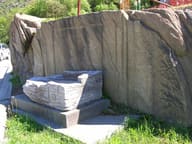 Roman Road to Gaul at MontjovetWheel ruts cut into the rock, on a carriageway more than 4.5 metres wide
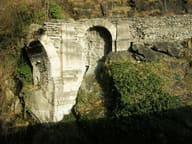 Saint-Vincent Roman BridgeThe central arch collapsed on 8 June 1839: the left abutment and part of the right remain
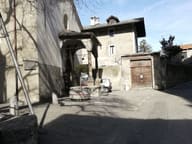 San Lorenzo Early Christian Church Archaeological AreaFifth-century Latin-cross basilica, a few metres below the floor of the present church
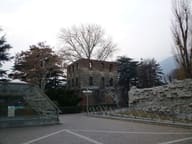 Tour du PailleronThe best-preserved Roman tower of the walls, restored by d'Andrade from 1891
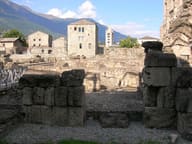 Tour FromageMentioned in a deed of 1191, from the fifteenth century it passed to the Vaudan by marriage
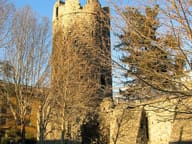 Tour NeuveCrenellated cylindrical tower at the north-west corner, of the De Turre Nova lords