 The Aosta Trip
Tour Neuve
Tourneuve
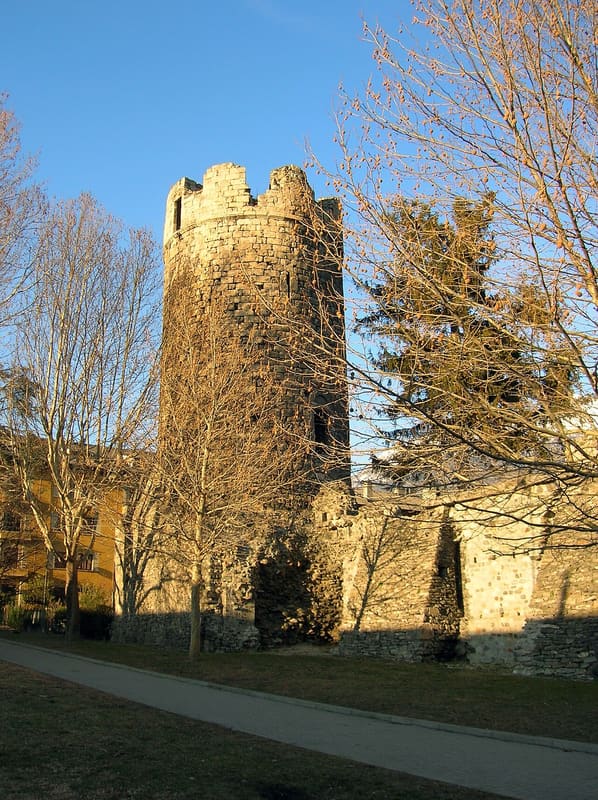
Crenellated cylindrical tower at the north-west corner, of the De Turre Nova lords
At the junction of Via Tourneuve and Via Monte Solarolo, in a green area at the north-west corner of the Roman walls, rises a cylindrical tower with crenellations and a door set high up for security. It can be seen freely from the street, walking along the perimeter of the walls.

Visiting
The interior does not appear to be open to visitors. It can be seen from outside, along the route of about 3 km that runs around the Roman walls and the medieval towers of Aosta.
History
At the north-west corner of the Roman walls of Aosta, where Via Tourneuve and Via Monte Solarolo meet today, stands a crenellated cylindrical tower, one of the corner towers of the ring of walls of Augusta Praetoria (their number varies according to the sources: 12 for some, 20 for others, also counting the smaller towers between the gates). The entrance door, for security reasons, was set high up.
The tower is recorded in documents as the property of the Challants, the viscounts of Aosta who controlled the entire south-west perimeter of the city walls, the same family linked to the nearby Bramafam Tower. It was then ceded to the De Turre Nova lords, from whom the tower takes its present name, Tour Neuve. It is dated to the late thirteenth century; in the medieval period it underwent major alterations, of an unspecified nature.
Unlike other towers of the ring of walls, for the Tour Neuve there are no known documented restorations, nor any specific use in the centuries after its medieval abandonment: today the tower cannot be visited inside and can only be seen from outside, in a green area along the footpath that follows the walls.
Nearby
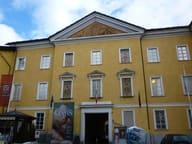 MAR - Regional Archaeological MuseumIn the basement lie the remains of the Roman Principalis Sinistra gate
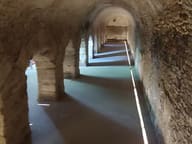 Forum CryptoporticusThe horseshoe-shaped galleries measure 71.80 m along the sides and 87.10 m in the centre
- Porta DecumanaWest gate demolished in 1812; the remains are in the basement of the Regional Library
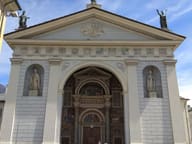
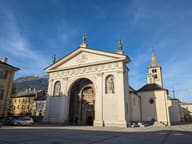 Aosta CathedralIn the choir, two medieval mosaics: the twelve months and the four rivers of Paradise
 Aosta Cathedral Treasury MuseumThe ivory diptych of 406: the consul Probus had the emperor Honorius carved on it
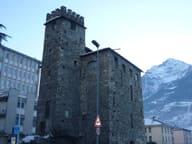 Leper's TowerIn 1773 the Mauritian Order confined a leper who had come from Oneglia here