 The Aosta Trip
Roman Theatre
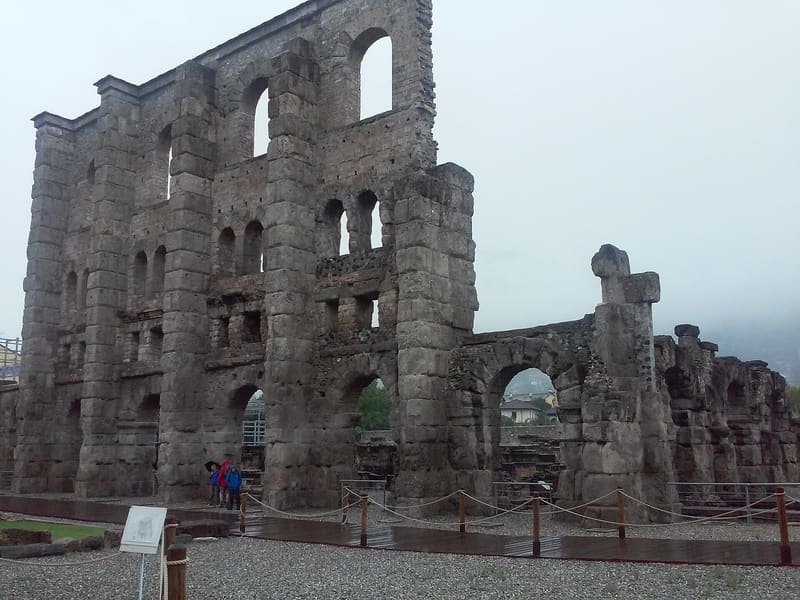
South façade 22 metres high, with three tiers of openings that get smaller towards the top
You enter from Via Charrey, no longer through the monumental entrance from Porta Praetoria, which is still being fitted out. New wooden walkways cross the building site, one of them passing between the stage and the orchestra, the semicircle with a 10-metre radius in front of the cavea. Four of the nine original arches of the south façade, which is supported by buttresses, remain, while of the others only the bases can be seen. Trilingual panels with QR codes explain the route, which still runs alongside the restoration site.
 One-day guide · freeAugusta Praetoria in a DayA day's walk through Roman Aosta passes here: nine stops among gates, theatre and the forum's underground galleries.Open the guide →
Visiting
Partially reopened on 3 July 2026 after the closure for works that began in 2023: the redevelopment works in the Aosta east area are still under way, with completion expected on 30 June 2027, and the ticket office and the main entrance from Porta Praetoria have not yet been restored. It is included in the ‘Aosta Archeologica’ combined ticket (€10 full price, €8 concession, valid for the Roman Theatre, the Forum Cryptoporticus, the San Lorenzo Early Christian Church, the Regional Archaeological Museum and the Megalithic Area). Opening hours: April–September 9:00–19:00, October–March 10:00–13:00 and 14:00–17:00, last admission 30 minutes before closing; closed on 25 December and 1 January.
History
The theatre was built in the Augustan period, immediately after the founding of Augusta Praetoria in 25 BC, in the north-eastern corner of the city, next to the amphitheatre. The southern façade, 22 metres high, is divided into three orders of openings that become smaller as they rise: large arches at the bottom, a row of narrow openings in the middle, four large arched windows at the top, the whole supported by buttresses and built of blocks of puddingstone (a river conglomerate) with rusticated facing and travertine. It could hold between three and four thousand spectators around a semicircular orchestra with a 10-metre radius; porticoes flanked the short sides of the building and hid the bulk of the stage building, and polychrome frescoes ran along the wall of the eastern portico, now detached for conservation.
With the fall of the Roman Empire the theatre lost its function and, during the Middle Ages, even its original nature was forgotten: farm buildings and houses built up against the ancient structure rose on the façade and in the cavea, profoundly altering its appearance for centuries.
The first scientific study of the monument was made by Carlo Promis in 1837, but it was between 1933 and 1941 that the systematic excavation and restoration took place, freeing the theatre from the medieval and modern buildings set against it and giving it back the appearance visible today. Study campaigns between 1997 and 2000 then clarified the construction phases of the building, while the most recent conservation restoration dates from 2009.
In 2023 the theatre was closed to the public for new, extensive redevelopment works in the Aosta east area, which also include the nearby Porta Praetoria and the Roman walls. On 3 July 2026 it reopened with a partial visitor route, along new wooden walkways and through a temporary entrance from Via Charrey, while the building site remains active around the monument until the works are completed, expected in June 2027.
Nearby
 Tour FromageMentioned in a deed of 1191, from the fifteenth century it passed to the Vaudan by marriage
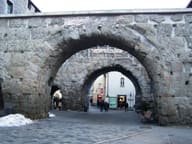 Porta PraetoriaOn the east side the marble facing added in the Claudian period (AD 41–54) survives
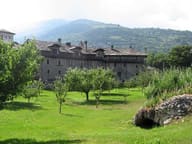 Roman AmphitheatreOf the sixty arches from the first century AD only eight remain, inside a convent
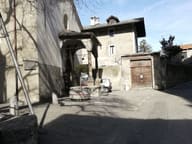 San Lorenzo Early Christian Church Archaeological AreaFifth-century Latin-cross basilica, a few metres below the floor of the present church
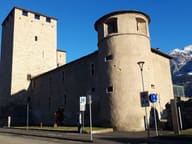 Bailiffs' TowerResidence of the bailiffs, then a prison until 1984, now the Conservatoire
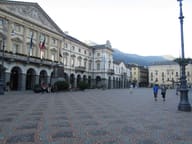 AostaOn 30 and 31 January the Sant'Orso Fair brings over a thousand artisans to the centre