 The Aosta Trip
Tour Fromage
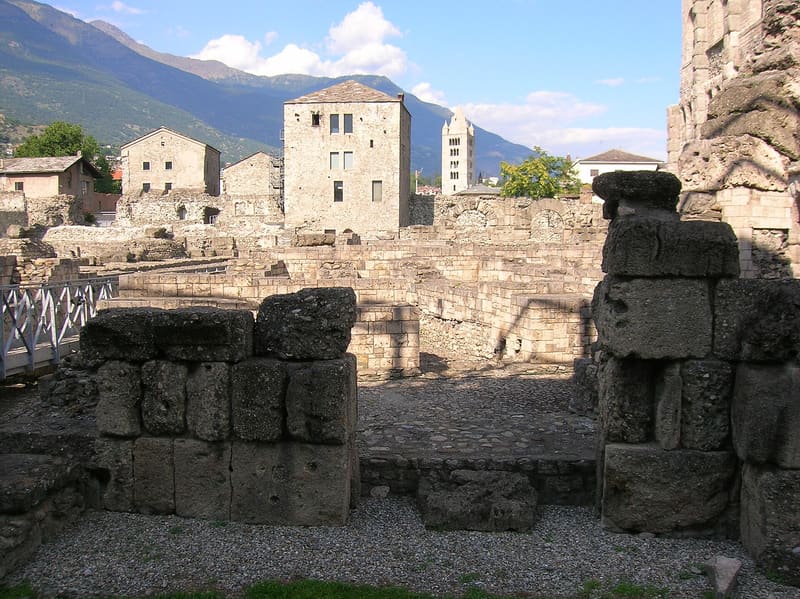
Mentioned in a deed of 1191, from the fifteenth century it passed to the Vaudan by marriage
Coming from Porta Praetoria you reach the tower, set against the Roman walls, next to the Roman Theatre. It has a square plan. You cannot go in: you can see it from the archaeological area of the theatre or from the street.

Visiting
The interior cannot be visited. You can see the tower from outside by walking along the Roman walls, next to the Roman Theatre, north of Porta Praetoria. In the past it hosted exhibitions, but today the tower is not open to the public.
History
The Tour Fromage stands in Aosta just north of the Porta Praetoria, within the area of the Roman theatre. It was built around the eleventh or twelfth century by the Du Fromage family, also known as Casei or de Caseis, vassals of the lords of Porta Sant'Orso and feudatories of the bishop of Aosta. It first appears in a document of 1191, when Thomas I of Savoy, count of Aosta, returned the tower to Bishop Gualberto, describing it as a ‘casamentum excusatum’. In 1253 Giovanni Casei is recorded as holding feudal rights over the tower by authorisation of Giacomo di Quart.
During the fifteenth century the property passed to the Vaudan family: Claude Vaudan married Jeannette du Fromage, the last descendant of the original family, and the tower kept the name of the original family. In 1549 an official lunch was held there in honour of Ferrante I Gonzaga, governor of Milan, on a mission to the Aosta Valley on behalf of Charles V.
The tower, square in plan, has kept its original appearance over the centuries despite later alterations; only in the second half of the twentieth century were the buildings that had been built up against it removed, and the tower could again be read as a whole. Today it is owned by the Aosta Valley Autonomous Region: restored, it has hosted various exhibitions in the past, but today it is not open to the public.
Nearby
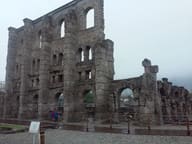 Roman TheatreSouth façade 22 metres high, with three tiers of openings that get smaller towards the top
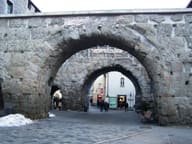 Porta PraetoriaOn the east side the marble facing added in the Claudian period (AD 41–54) survives
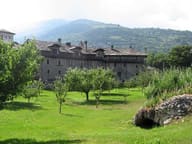 Roman AmphitheatreOf the sixty arches from the first century AD only eight remain, inside a convent
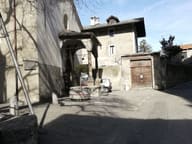 San Lorenzo Early Christian Church Archaeological AreaFifth-century Latin-cross basilica, a few metres below the floor of the present church
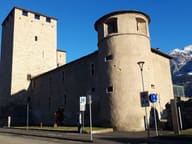 Bailiffs' TowerResidence of the bailiffs, then a prison until 1984, now the Conservatoire
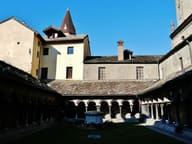 Sant'Orso Collegiate ChurchA capital in the cloister is dated 1133: the canons' communal life began here