 The Aosta Trip
Maison Musée Jean-Paul II
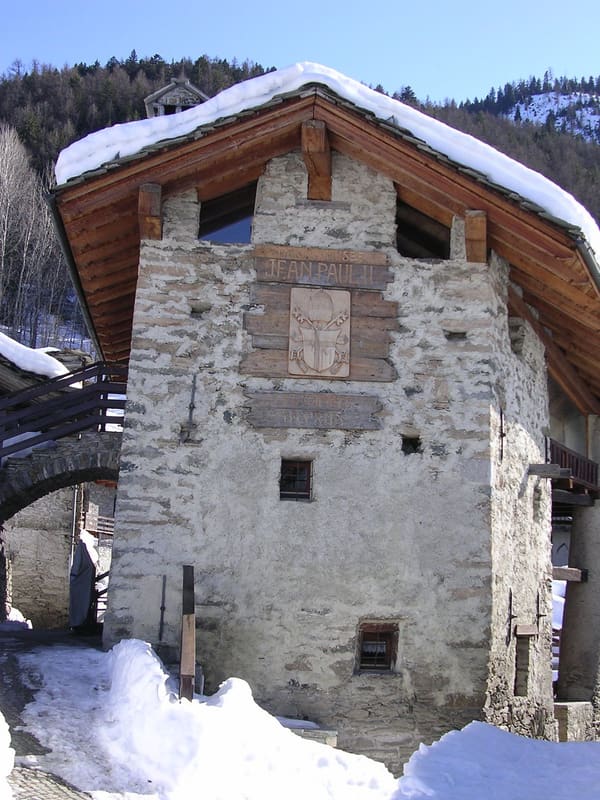
It holds objects, stamps and coins from the 18 years of John Paul II's pontificate
The museum occupies two floors of a building of about 500 square metres at Les Combes, formerly a Salesian hostel, where John Paul II stayed for ten summers between 1989 and 2004. The rooms contain photographs of the papal journeys, objects and gifts he received, a philatelic and numismatic section and his library. A few metres away, the chapel of San Lorenzo holds a relic of the Pope, a lock of hair, in an altar carved in African mahogany.

Visiting
2026 opening hours: 1–3 May and 7–30 September Saturdays and Sundays 10:00–17:00; June Saturdays and Sundays 10:00–17:00; 1 July–6 September every day 10:00–13:00 and 14:00–18:00. Admission by voluntary donation. Some older guides give a €2 ticket and different hours (June–September every day except Mondays); the most up-to-date information is that given above.
Collections
Entrance — Photography. The route begins with the photographic section, which documents John Paul II's apostolic journeys around the world and his pastoral visit to the Aosta Valley in 1986 and the summer stays at Les Combes from 1989 onwards: images of the public moments of the pontificate alongside more private shots of the holidays at Les Combes.
Multimedia room — Documents and videos. A multimedia station, produced with the collaboration of the Vatican Press Office, brings together the pontiff's public speeches, photographs digitised in electronic form and a section devoted to the main events of the pontificate. The video section also offers television footage of the papal journeys (by the broadcaster Telepace) and documentaries by RAI regional news on the Pope's stays in the Aosta Valley.
Objects and gifts. One room holds objects that belonged personally to John Paul II and the gifts he received during his apostolic journeys: vestments, everyday objects and presents offered by heads of state and delegations, presented not as celebratory memorabilia but as evidence of his humanity.
Philately. A collection of stamps issued by the countries the Pope visited during his pontificate, displayed in monthly rotation so as to represent in turn the different stages of his journeys.
Numismatics. The section brings together the almost complete numismatic output of the eighteen years of John Paul II's pontificate, from Vatican coins to commemorative issues.
Library. The route ends with a library open for consultation on request, which includes among other things volumes published by the Aosta Valley publisher Le Château devoted to John Paul II and his relationship with the mountains.
A few metres from the museum, but outside the route proper, the chapel of San Lorenzo keeps as a relic a lock of the Pope's hair, in an altar with his image carved in African mahogany.
History
At Les Combes, a hamlet of Introd at about 1,640 metres, the museum building was originally a hostel run by the Salesians. It was here that, from 1989 onwards, Pope John Paul II chose to spend his summer holidays, drawn by the quiet of the mountains: over fifteen years, until 2004, he came back ten times, with walks on the surrounding paths and pauses for prayer in the nearby chapel of San Lorenzo.
The Introd municipal administration, ‘wishing to thank the Holy Father who for so many years honoured the Aosta Valley with his presence’, decided to turn part of the building into a museum dedicated to him. The project came about with the collaboration of the Holy See and the patronage of the Aosta Valley Autonomous Region, and the museum was inaugurated in 2005, the very year of the Polish pope's death.
The display, covering about 500 square metres on two floors, brings together personal belongings and gifts received by John Paul II during his apostolic journeys, a philatelic section with the stamps issued by the countries he visited, the numismatic output of the eighteen years of his pontificate and a large photographic archive. The route also includes a library open for consultation and multimedia material produced with the collaboration of the Vatican Press Office.
Next to the museum, the chapel of San Lorenzo, where the Pope used to pray during his stays, has become a sanctuary named after him: it keeps as a relic a lock of hair, set into an altar with the image of the pontiff carved in African mahogany by the artist Franco Chevrere.
Today the museum is run by a cooperative on behalf of Introd municipality, with the support of the Fondazione Grand Paradis for communication: in 2022 it recorded about 1,700 visitors, a sign that the place of the Pope's holidays still draws pilgrims.
Nearby
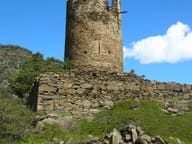 Montmayeur CastleThe cylindrical tower of 1271 still keeps its swallowtail merlons
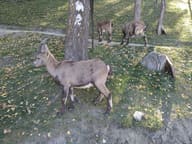 Parc Animalier d'IntrodIbex, chamois, wolves and birds of prey along a 1.5 km path with a 150 m height gain
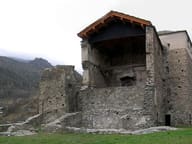 La Mothe CastleClosed since 2026 for work on the Museum of the Alpine Future, €6.5 million from the PNRR
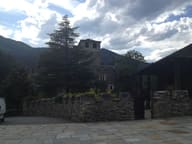 Introd CastleThe present polygonal plan dates from the fifteenth-century works, not from 1260
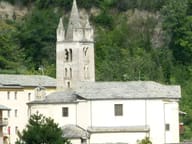 Parish Museum of Sacred ArtWooden statues and gold work from the fifteenth to the nineteenth century in the church of San Brizio
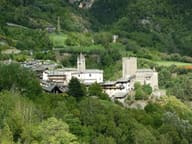 AviseThe castle, the Maison de Blonay and the Cré fortified house: three homes of the lords of Avise