 The Aosta Trip
Issogne Castle
In the courtyard, the wrought-iron pomegranate fountain, a symbol of prosperity
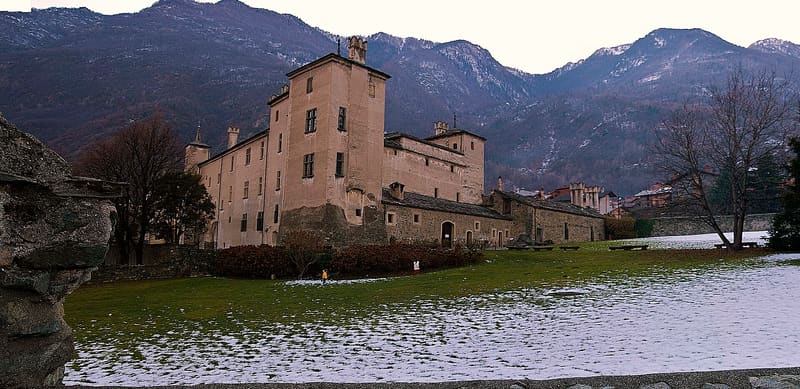
From outside, the castle is a massive, unassuming building, but the inner courtyard reveals the frescoed portico with shops, markets and scenes of daily life from the early sixteenth century. In the centre stands the wrought-iron pomegranate fountain. The rooms of the piano nobile preserve the coffered ceiling of the Room of the King of France.
 One-day guide · freeThe Valley of the ChallantA day among the castles of the middle valley passes here: three homes of the Challant family and a museum of modern art.Open the guide →
Visiting
Guided tours only, groups of up to 25, online booking recommended. There are two routes: one on Giorgio di Challant's castle and a multimedia one devoted to Avondo. The last tour starts an hour before closing. Opening hours: October–March 10:00–13:00 and 14:00–17:00, April–September 9:00–19:00. Closed on Mondays, except in July, August and on public holidays, and on 25 December and 1 January. Full price €10, concession €7, free for under-18s.
History
On the site, occupied from the first century BC by a Roman villa, stands a fortified house of the bishop of Aosta, first recorded in 1151 in a bull of Pope Eugene III. In 1333 Aymon di Verrès attacks the episcopal building and sets fire to it, leaving it badly damaged.
In 1379 the bishop of Aosta grants jurisdiction over the place to Ibleto di Challant (one source instead dates the start of his transformation of the castle to 1399), who has the building rebuilt in Gothic style with towers and walls. On his death, in 1409, his son Francesco inherits the fief and in 1424 receives from the House of Savoy the title of first Count of Challant. When Francesco dies without male heirs in 1442, the succession is disputed until 1456, when the fief passes to his cousin Giacomo di Challant-Aymavilles.
The golden age of the castle runs from about 1480 to 1565. Luigi di Challant begins the first renovations around 1480, but it is the prior Giorgio di Challant (guardian of Luigi's sons, Filiberto and Carlo, and prior of the Collegiate Church of Sant'Orso) who, between the late fifteenth and the early sixteenth century, turns the building into a horseshoe-shaped mansion around an arcaded courtyard. It is he who has the famous pomegranate fountain built, together with the chapel and the loggia frescoed with scenes of everyday life. The castle's distinguished guests include King Charles VIII of France in 1494 and, even earlier, Emperor Sigismund of Luxembourg in 1414.
Giorgio dies in 1509; he is succeeded by Filiberto and then by Renato di Challant, under whom the castle reaches its greatest splendour. Renato dies without male heirs in 1565 and new succession disputes begin: the property passes to the Madruzzo, Lenoncourt and Del Carretto families, returning to the Challant family in 1696. With the extinction of the Challant family, at the start of the nineteenth century, the castle falls into serious decline.
In 1872 the Turin painter and collector Vittorio Avondo buys it at auction, after the forced sale imposed on Baron Marius de Vautheleret, and restores it, furnishing it with antique pieces in medieval style. He donates it to the Italian State in 1907; in 1948 ownership passes to the Aosta Valley Autonomous Region, which opens it to the public with guided tours.
Nearby
 Verrès CastleIn 1536 Renato di Challant strengthened the walls to withstand firearms
 ArnadSan Martino, with three aisles, is the most important example of Romanesque in the Aosta Valley
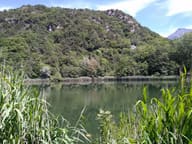 Lago di VillaThe only lake in the Aosta Valley with the white water lily, in flower in June and July
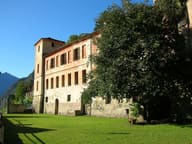 Vallaise CastleThe Hall of Honour preserves ten frescoed views of the former Vallaise fiefs
 Cascata di IsollazThe Évançon drops almost 50 metres between two rock walls
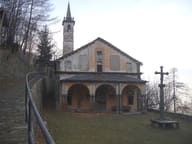 Machaby SanctuaryRebuilt in 1687, restored in 2021–2023; feast of Our Lady of the Snows on 5 August