 The Aosta Trip
Bosses Castle
Château de Bosses
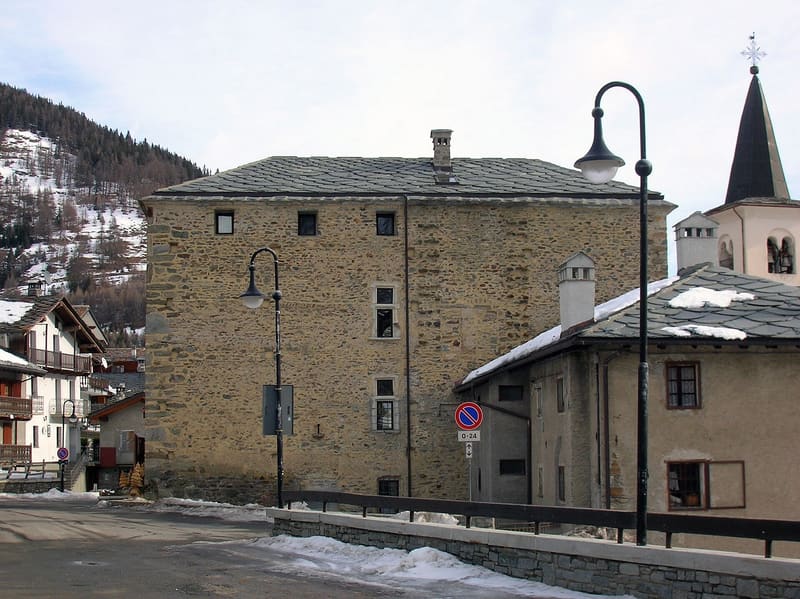
It has three storeys in a single block, with fifteenth-century cross-mullioned windows
As you arrive at Saint-Léonard you see a massive single-block structure, one compact building, with three storeys above ground and cross-mullioned windows. Inside, the rooms are furnished in a modern style and host exhibitions, conferences and cultural events.

Visiting
It can be visited during exhibitions and cultural events, with free admission; outside these periods it is not open to the public. Opening hours follow the events calendar: it is best to ask Saint-Rhémy-en-Bosses municipality.
History
The origins of Bosses Castle, in Saint-Rhémy-en-Bosses, date from the twelfth century (according to some sources even from 1095, with a certain Gerardo de Bocha), when the de Bocha family, later called di Bosses, built it after receiving these lands in fief from the lords of Quart (the fief was the territory entrusted to a lord in exchange for loyalty).
Relations with the House of Savoy were tense: in 1288 Giacomino di Bosses was forced to submit as a vassal to the Count of Savoy, and at the beginning of the fourteenth century the tower was pulled down on Savoyard orders after a new clash. In 1320 Tommaso di Bosses ceded every right for good, including the right to levy tolls, to Count Amadeus V.
Only at the end of the fifteenth century did the Bosses family manage to buy back the property and rebuild it as it still is today: a single block of three storeys with fine cross-mullioned windows. They remained owners until 1742, when the castle passed to the Savin family; when that family died out, in 1861, the Massea family inherited it, followed in the twentieth century by the Gallone family.
In 1984 the Gallone family ceded the castle to the Aosta Valley Autonomous Region, which between 1998 and 1999 restored it as part of an Interreg project to create a cross-border cultural centre linked to the Pays du Grand-Saint-Bernard. Today the rooms host exhibitions, conferences and cultural events, with free admission.
Nearby
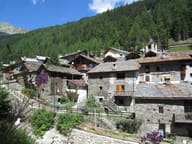 Saint-RhémyFrom 1627 its inhabitants were ‘snow soldiers’ in the service of the Great St Bernard Pass
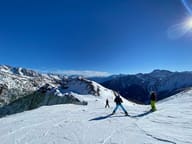 Crévacol20 km of south-facing runs, from 1,640 to 2,450 m above Saint-Rhémy
 Monte PagliettaLarge stone cairn on a knoll above Saint-Oyen, facing Mont Vélan
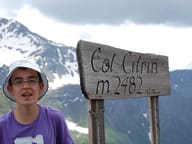 Col CitrinA few minutes beyond the pass, the stone walls of about ten huts
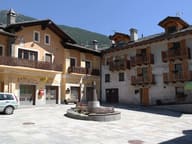 ÉtroublesSculptures and installations in the streets: an open-air museum since 2005, on the Via Francigena
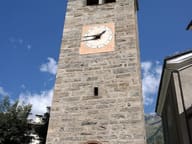 Parish Treasury MuseumFive display cases of goldsmiths' work from 1400 on, opened in 2011 in Santa Maria Assunta