 The Aosta Trip
Beck-Peccoz Regional Museum of Alpine Fauna
Musée régional de la faune alpine Beck-Peccoz
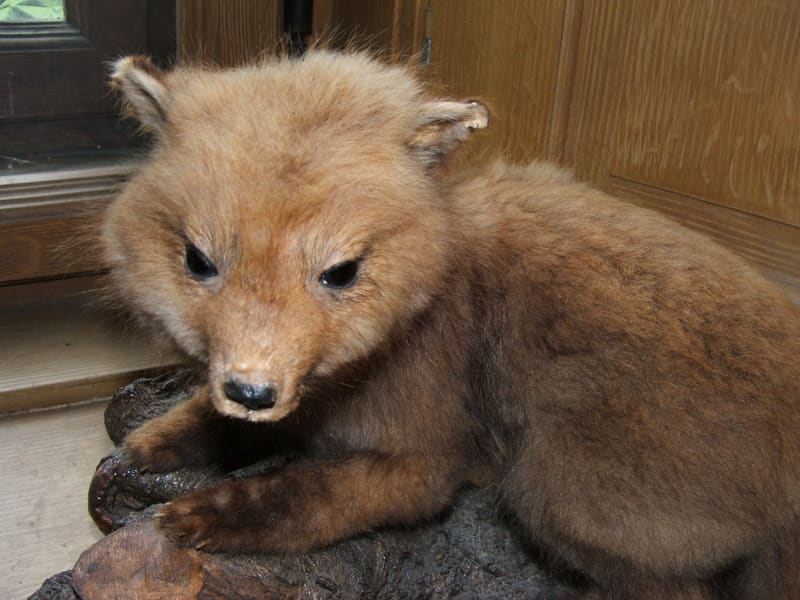
Collection of about 90 antique weapons and hunting trophies with horn anomalies
The building, a small mansion in the Predeloasch area built in 1903 by Baron Antonio De Peccoz, houses on the first floor the hunting trophy collection of the Beck-Peccoz family, of Walser origin: chamois, ibex, red deer and roe deer, with several specimens showing anomalies in the growth of their horns. In the same room is a small armoury of about 90 pieces, including long and short arms, hunting and military weapons from the nineteenth and twentieth centuries, some finely decorated. The ground-floor rooms are devoted to the biology and classification of the main mountain vertebrates.
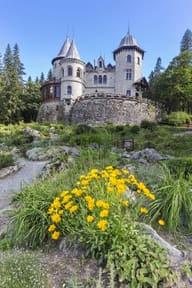 One-day guide · freeGressoney, the Valley of the WalserA day in the valley of the Walser passes here, between Queen Margherita's castle and the wooden houses of Gressoney.Open the guide →
Visiting
Seasonal opening hours: in winter (January–April and September–December) Thursdays and Fridays 9:00–13:00, Saturdays, Sundays and public holidays 10:00–13:00 and 14:00–17:00; in summer (May–August) Wednesdays and Thursdays 9:00–13:00, Fridays 10:00–13:00 and 14:00–17:00, Saturdays, Sundays and public holidays 10:00–13:00 and 14:00–18:00. Full price €5, concession (aged 19–25) €3, free for under-18s and for disabled visitors with a companion.
Collections
History of the collection. The museum is housed in a building from 1903 commissioned by Baron Antonio Beck-Peccoz in Central European style, with rooms decorated with frescoes in German style. The collection originates in the will of 11 February 1882 of Baron Luigi Beck-Peccoz, a descendant of a Walser family, who left his hunting trophy collection to be moved to Gressoney into a purpose-built building; it was the brothers Antonio and Carlo, the executors, who had it erected at the beginning of the twentieth century. Egon Beck-Peccoz, Antonio's son, arranged and enlarged the collection. In 1986 the Aosta Valley Region bought the building together with the collections of trophies and weapons.
First floor — trophies and horn anomalies. The main room holds about two thousand trophies (horns and antlers mounted on shields) of chamois, ibex, red deer, roe deer and exotic fauna. Among the pieces of greatest scientific interest are the specimens with anomalies in horn growth, such as a Siberian roe deer and some crosses between domestic goat and ibex, kept precisely for their biological rarity rather than for their hunting value.
First floor — the armoury. On the upper floor there is a collection of about ninety hunting weapons, muzzle-loading and breech-loading, with Damascus barrels (a layered steel-working technique that produces distinctive patterns) and stocks in fine wood; actions and lock plates are finely engraved with hunting scenes.
Biology of alpine vertebrates. The rooms on the ground floor house an educational route on the biology and systematics of alpine vertebrates, that is, on their scientific classification.
Temporary exhibitions. Every year the museum hosts an exhibition on an alpine environmental theme, different each time. The top floor of the building is not open to visitors.
History
The collection behind the museum began in the early nineteenth century with Johann Christoph Beck (1749–1818), a supplier to Napoleon's army, who began collecting hunting trophies with horn anomalies, in keeping with the collecting taste of the time. His son Joseph Anton Beck (1808–1882) greatly enlarged the collection, reaching about two thousand pieces, including chamois, ibex, red deer, roe deer and species from other continents.
Baron Luigi Beck-Peccoz, a descendant of the Walser family, stipulated in his will, dated Augsburg 11 February 1882, that the trophy collection be transported to Gressoney and housed in a purpose-built building, and set aside 40,000 German marks for this purpose. The brothers and executors Antonio and Carlo had the building erected, in the Predeloasch area near Villa Margherita, between 1903 and the early years of the twentieth century: the sources agree on construction in 1903, while a first display of the collection would appear to have been in place as early as 1904 at the lower square of Gressoney-Saint-Jean. The museum was officially inaugurated on 2 August 1913 by Queen Margherita of Savoy, who stayed regularly in Gressoney.
Besides the trophies, the building houses on the first floor some ninety firearms (long, short, target and military), mostly combination hunting guns dating from the nineteenth and twentieth centuries, with Damascus steel barrels and finely engraved walnut stocks. The Beck-Peccoz family was also responsible for creating reserves to protect ibex and chamois, which helped the local chamois population recover from just eight head in 1867 to over a thousand.
In 1986 the Aosta Valley Autonomous Region bought the whole building with the collections; the Aosta Valley Forestry Corps then oversaw a new museum layout: it restored the ground floor as an exhibition space and preserved the Central European architectural character of the building. The museum, now run by the Region, thus combines the memory of the founding family with natural-history education on alpine fauna.
Nearby
 Gressoney-Saint-Jean Cross-Country TrailsAround Lago Gover, in the village, a 5.2 km loop is lit for skiing in the evening
 Gressoney-Saint-JeanOn the beams of the Walser merchants' houses, a heart topped by a 4
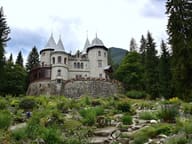 Castel SavoiaFirst stone laid on 24 August 1899 in the presence of Umberto I
- Gressoney-Saint-Jean, WeissmattenThe Leonardo David run is floodlit: on some evenings you can ski at night
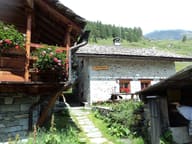 Rifugio Alpenzu GrandeInside Alpenzu Grande, a Walser village recorded as early as 1249
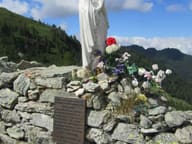 Colle RanzolaA plaque to Tolstoy, who came this way in 1857, and a dry-stone wall from 1800 against Napoleon